Water Damage Restoration Emergency? Here's What to Do in the First 24 Hours
Published: 2026-04-05 · By Ultimate Emergency Water Damage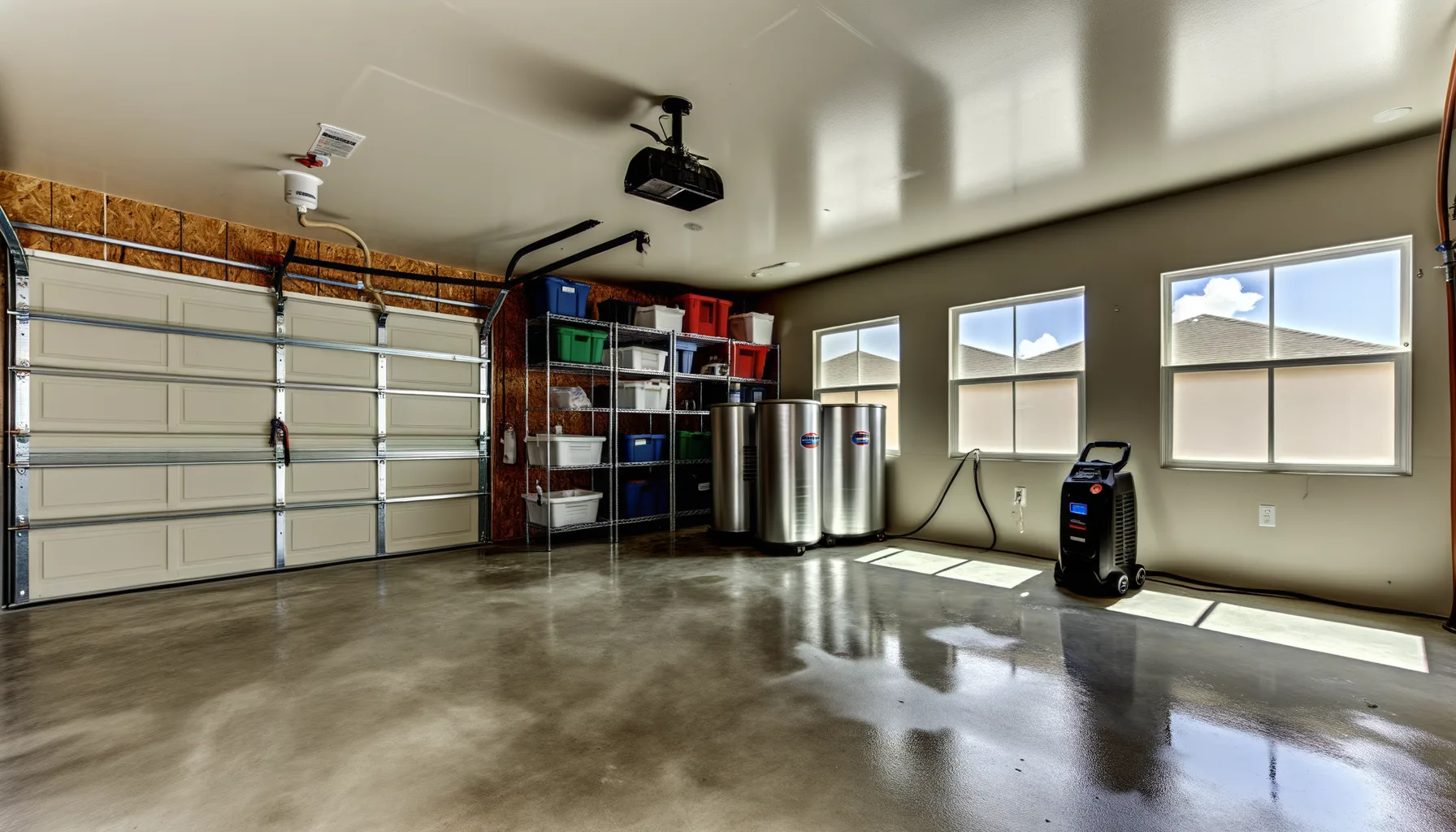
Imagine waking up to find water seeping through your basement walls, rapidly pooling on the floor. For Aurora residents, this is more than a headache; it's a potential disaster. With our unpredictable temperature swings and snowmelt flooding, understanding how to act swiftly in a water damage emergency can save your home from long-term structural damage and costly repairs. Time is of the essence, and what you do in the first 24 hours is critical. Here’s how to protect your home following a water-related crisis.
Why This Matters for Aurora Homeowners
The unique climate of Aurora, characterized by rapid temperature fluctuations and heavy snowmelt in the spring, poses substantial risks for homeowners. During these periods, expansive clay soils can exacerbate drainage issues, leading to unexpected water intrusion that can wreak havoc on your home. If left untreated, moisture can permeate walls and structural elements, fostering mold growth and compromising the integrity of your property.
Understanding the gravity of a water damage situation is vital. For example, a single inch of standing water can cost between $1,000 and $5,000 to remove, depending on the extent of the damage and the materials affected. Moreover, the longer you wait to address water issues, the more expensive the repairs can become.
Tip: If you notice any signs of water damage, such as discoloration or increased humidity in your home, act quickly. Document the damage with photos for insurance purposes, as swift action can mitigate costs down the line.
For residents in Aurora, being proactive about water damage is essential. Knowing how to respond in the critical first hours can safeguard your home and your finances.
Expert Solutions & Actionable Tips
1. Step 1: Shut Off Water Sources
The first step in any water damage situation is to stop the water at its source. If a pipe has burst or a supply line is leaking, turn off the main water valve immediately. In homes throughout Aurora, this can often be done in under 15 minutes and is crucial in preventing further damage.
Costs associated with water repairs can escalate quickly, making this simple step vital for any homeowner's budget. If you need assistance locating your main valve, you can usually find it near the water meter or where your water line enters your home.
2. Step 2: Document Damage for Insurance Claims
Proper documentation is essential for securing insurance benefits. Take photographs and videos of all damaged areas, noting the extent of the water intrusion. This step typically takes an hour or two but can save you thousands when dealing with your insurance provider.
To maximize your claim, be sure to gather receipts from any emergency services utilized. In Aurora, insurers often require thorough documentation to process claims efficiently.
3. Step 3: Begin Drying Out Your Home
The drying process should start as soon as the water source is under control. Use fans, dehumidifiers, and open windows if weather permits to promote airflow. This phase can take anywhere from 24 to 72 hours, depending on the amount of water present. Investing in a commercial dehumidifier may run you around $40 to $80 a day, yet it is important for preventing mold growth.
With aurora's varying humidity levels, having the right equipment can make all the difference.
4. Step 4: Check Your Home for Structural Damage
Inspect your home for signs of structural issues like sagging walls or buckling flooring. These problems may signify serious damage that requires professional assessment. Take an hour or two to perform a thorough examination.
In Aurora's climate, homes built on expansive clay soils are particularly susceptible to damage due to shifting foundations, so be vigilant during inspections.
5. Step 5: Remove Damaged Materials
Removing wet materials like carpets and drywall can help speed up the drying process. Be sure to wear protective gear and gloves, as contaminated water can pose health risks. Disposal can cost from $50 to $150, especially if you're dealing with mold or other hazardous materials.
Aurora homeowners should be cautious; some materials may need to be handled according to local disposal regulations.
6. Step 6: Seek Professional Help
If the water damage is extensive or if you notice mold growth, it's time to call in the experts. Professionals can assess the damage, provide specialized equipment, and ensure your home is restored to its original condition. While costs vary, hiring a water restoration company can range from $1,500 to $5,000 or more, depending on the severity.
In Aurora, having a trusted local restoration service at your fingertips can offer peace of mind in the midst of a crisis.
Aurora Climate & Local Context
Aurora’s unique climate requires homeowners to be vigilant about water damage. Rapid temperature swings can cause leakages or burst pipes, while heavy spring snowmelt leads to surface runoff that can overwhelm drainage systems. Many homes in the area sit atop expansive clay soils, which can complicate drainage and lead to water pooling around foundations after heavy rainfall or snowmelt.
Moreover, with local building codes often emphasizing proper drainage planning, it’s crucial for residents to comply with these regulations to avoid potential liabilities. Understanding local codes and how they relate to water damage restoration can equip homeowners with the necessary knowledge to mitigate risks effectively.
When to Call a Professional
Determining whether to tackle water damage restoration as a DIY project or call a professional can be tricky. For minor situations, such as small leaks or localized flooding, homeowners may be able to handle the cleanup themselves. However, it’s vital to know when to pull the plug on DIY efforts.
- If your basement is flooded beyond 2 inches of water.
- If you observe mold growth or musty odors.
- If structural elements like walls or ceilings show significant damage.
- If the water source is sewage-related.
- If the water has been standing for more than 48 hours.
Each of these scenarios often warrants professional intervention to ensure health and safety, particularly in Aurora’s moisture-prone environment.
Frequently Asked Questions
What should I do first if I discover water damage?
Immediately identify and stop the source of the water. Next, document the damage and begin drying your home as soon as possible to prevent further issues.
How can I tell if my walls have water damage?
Check for discoloration, peeling paint, or bubbling textures on your walls. If they feel damp or soft, that's a strong indicator of water intrusion.
Is it safe to handle water-damaged materials myself?
While minor situations might be manageable, always wear protective gear. If you notice signs of mold or structural damage, call professionals.
What types of insurance cover water damage restoration?
Homeowners’ insurance may cover specific water damage incidents, but it’s best to review your policy or consult with your insurance agent for specifics in Aurora.
How long does the water damage restoration process take?
The duration depends on the extent of the damage. Small jobs can take a few days, while extensive water damage might take weeks to fully resolve.
Get Expert Water Damage Restoration Service in Aurora
Don’t leave your home vulnerable to long-term damage. In a water damage situation, every minute counts. If you're facing a water emergency in Aurora, reach out to us at (719) 220-2548. Ultimate Emergency Water Damage is here to help you recover and restore your home effectively.
Your home deserves the best care. Trust the local experts in Aurora to handle your water damage restoration needs. Contact us today!

Service Areas
More Articles
Common Water Damage Restoration Myths Debunked by Aurora Experts
2026-04-05
Water Damage RestorationWhat to Expect During a Professional Water Damage Restoration Assessment
2026-04-05
Water Damage RestorationHow Much Does Water Damage Restoration Cost in Aurora? Complete 2026 Price Guide
2026-04-05