What to Expect During a Professional Water Damage Restoration Assessment
Published: 2026-04-05 · By Ultimate Emergency Water Damage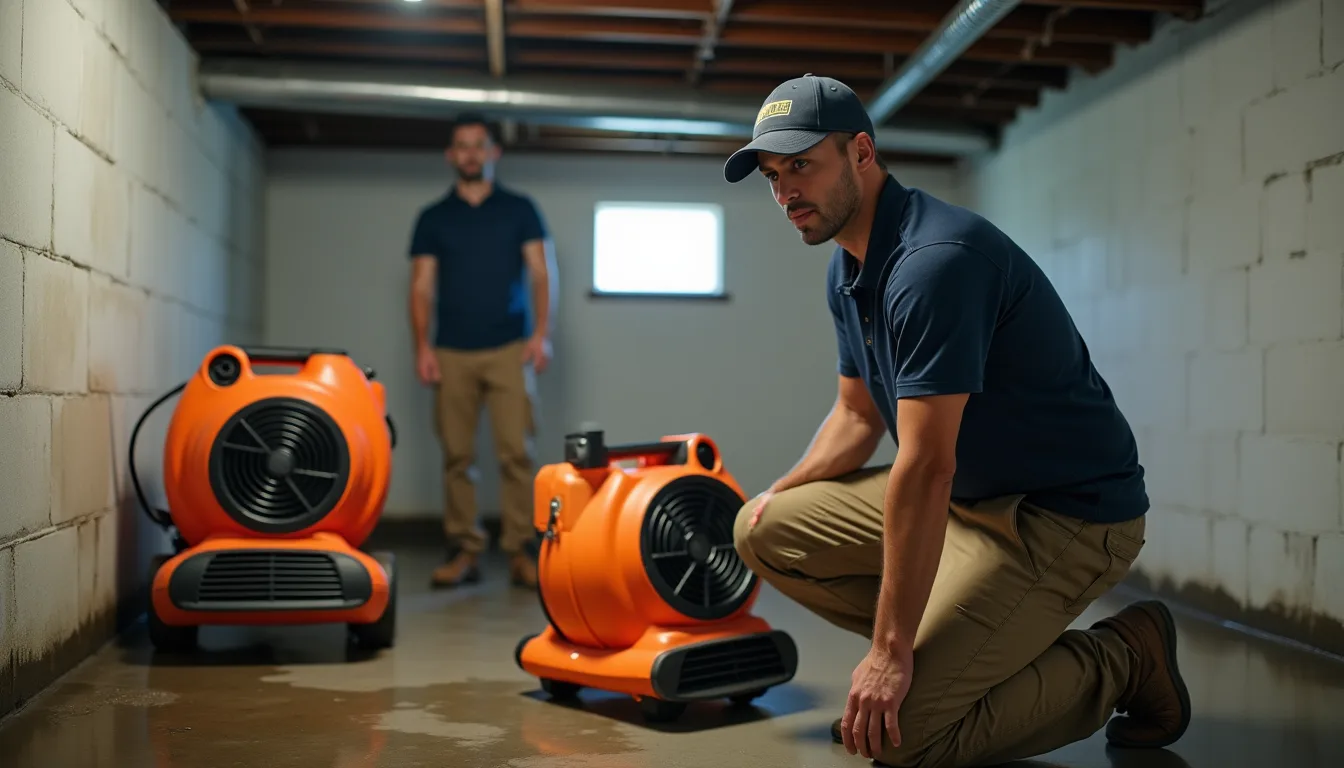
Imagine waking up one morning to find water streaming from your ceiling, a remnant of the intense hailstorm that rolled through Aurora yesterday. As you survey the damage, your heart sinks—what's next? Understanding what to expect during a professional water damage restoration assessment can mean the difference between a minor inconvenience and a major home repair nightmare.
Why This Matters for Aurora Homeowners
For many Aurora homeowners, rapid temperature swings mixed with heavy snowfall in the spring can lead to unexpected water damage. Expansive clay soils prevalent in our area exacerbate drainage challenges, causing water to accumulate and eventually seep into basements or crawlspaces. This scenario isn’t just inconvenient; it can lead to structural damage if not addressed swiftly.
Another concern is the freeze-thaw cycle, which can significantly stress the foundations of homes. As water seeps into cracks and freezes, it expands, worsening existing fissures and potentially compromising your home’s integrity over time. Without immediate action, the repercussions multiply, leading to costly repairs and even health risks from mold growth.
The unique architectural style of Aurora’s homes often means varying building codes and permits, which can complicate restoration efforts. It’s crucial to understand your specific scenario and the steps you'll need to take for effective restoration, so let’s talk about what those assessments entail.
Expert Solutions & Actionable Tips
1. Understand the Assessment Process
When a team from Ultimate Emergency Water Damage arrives, expect a thorough inspection of your property. This includes checking structural integrity, assessing mold risk, and evaluating moisture levels. The whole assessment might take an hour or two, based on the damage extent, but you’ll gain clarity on what the next steps should be and what costs to expect.
2. Document Everything
Before restoration starts, take photos of the affected areas for insurance purposes. A detailed account of damages can facilitate claims processing, ensuring you receive what you’re entitled to. This step can also help to identify what items might need replacement versus repair.
3. Beware of Secondary Damage Costs
Addressing water damage quickly is critical to preventing secondary issues, like mold. Mold remediation can cost between $1,000 and $6,000, depending on the severity. By tackling the initial issue promptly, you can safeguard against these added costs and unwanted health risks for your family.
4. Know Your Insurance Policy
Familiarize yourself with your homeowner's insurance policy specifics regarding water damage. Many policies come with coverage limitations, such as not covering damage from poorly maintained drainage systems. Understanding this can save you from unwelcome surprises when filing a claim.
5. Allow for Time Delays
Restoration can take anywhere from a few days to several weeks, depending on damage severity and environmental conditions. Schedule your restoration priority as soon as you identify water damage, since delays can prolong the drying process and increase repair costs.
6. Consult Local Experts
Local expertise matters in Aurora due to specific climate-related issues. A professional familiar with our area's unique building practices and weather phenomena can provide tailored solutions, reducing both repair time and costs compared to general contractors who may lack localized knowledge.
Aurora Climate & Local Context
Aurora's climate presents numerous water damage challenges, particularly during the volatile spring months when heavy snowmelt meets the risk of hailstorms. Homeowners here often deal with expansive clay soils, which can complicate drainage systems and exacerbate moisture accumulation around the foundation. This makes adequate waterproofing essential, as a failure to account for these factors can lead to extensive damage.
Local building codes also necessitate specific drainage considerations, especially in homes constructed on clay soils. Over time, failure to properly implement adequate drainage can result in water pooling around your foundation, further increasing the risk of water intrusion during spring thaws. Understanding and complying with these regulations during restoration efforts is vital for preventing future damage.
When to Call a Professional
Knowing when to DIY and when to call a professional can save you time, stress, and money. While small leaks or minor moisture issues might be manageable for some DIY enthusiasts, serious cases often require expert handling. It’s advisable to call a pro when:
- You notice significant water pooling around your home.
- There are visible signs of mold growth.
- Electrical systems have been compromised.
- Drywall or insulation is waterlogged.
- Flooding has occurred from external sources like rain or broken pipes.
- Structural integrity appears compromised.
Each of these factors poses significant risks, from health issues to catastrophic structural damage. While Aurora residents may be very capable, professional assessments ensure comprehensive evaluations that are well worth the investment.
Frequently Asked Questions
What are the most common causes of water damage in Aurora?
In Aurora, common causes include heavy rain runoff due to snowmelt, hailstorms, and foundation issues linked to expansive clay soils. It's important to regularly check for drainage problems in these areas.
How long does it take to dry out a water-damaged area?
Depending on the severity of the incident, complete drying can take anywhere between 48 hours to two weeks. Factors like the source of water, volume, and climate conditions all play a role in this timeline.
Is my homeowner's insurance likely to cover water damage?
This depends heavily on the cause of damage. Most policies cover sudden, accidental damage, like a burst pipe, while gradual damage often isn’t covered. Review your specific policy for precise details.
What should I do immediately after discovering water damage?
Act quickly: stop the source of water if it's safe, take photos for documentation, and contact a professional like Ultimate Emergency Water Damage for a thorough assessment and immediate assistance.
How can I prevent future water damage?
Regular maintenance of drainage systems, ensuring your gutters are clear, and inspecting your foundation periodically are essential steps. Additionally, installing a sump pump can greatly help in preventing water accumulation in lower levels.
Get Expert Water Damage Restoration Service in Aurora
Don't let water damage disrupt your home or life. Contact Ultimate Emergency Water Damage today to schedule your professional assessment. Protect your investment by taking action before the issues escalate.
Your Aurora home deserves expert care from a local team that understands the specific challenges we face. Call us at (719) 220-2548 for swift and reliable service!
Service Areas
More Articles
Common Water Damage Restoration Myths Debunked by Aurora Experts
2026-04-05
Water Damage RestorationHow Much Does Water Damage Restoration Cost in Aurora? Complete 2026 Price Guide
2026-04-05
Water Damage RestorationMold After Water Damage Restoration: Prevention and Treatment Guide
2026-04-05