Spring Water Damage Restoration Checklist for Aurora Homeowners
Published: 2026-04-05 · By Ultimate Emergency Water Damage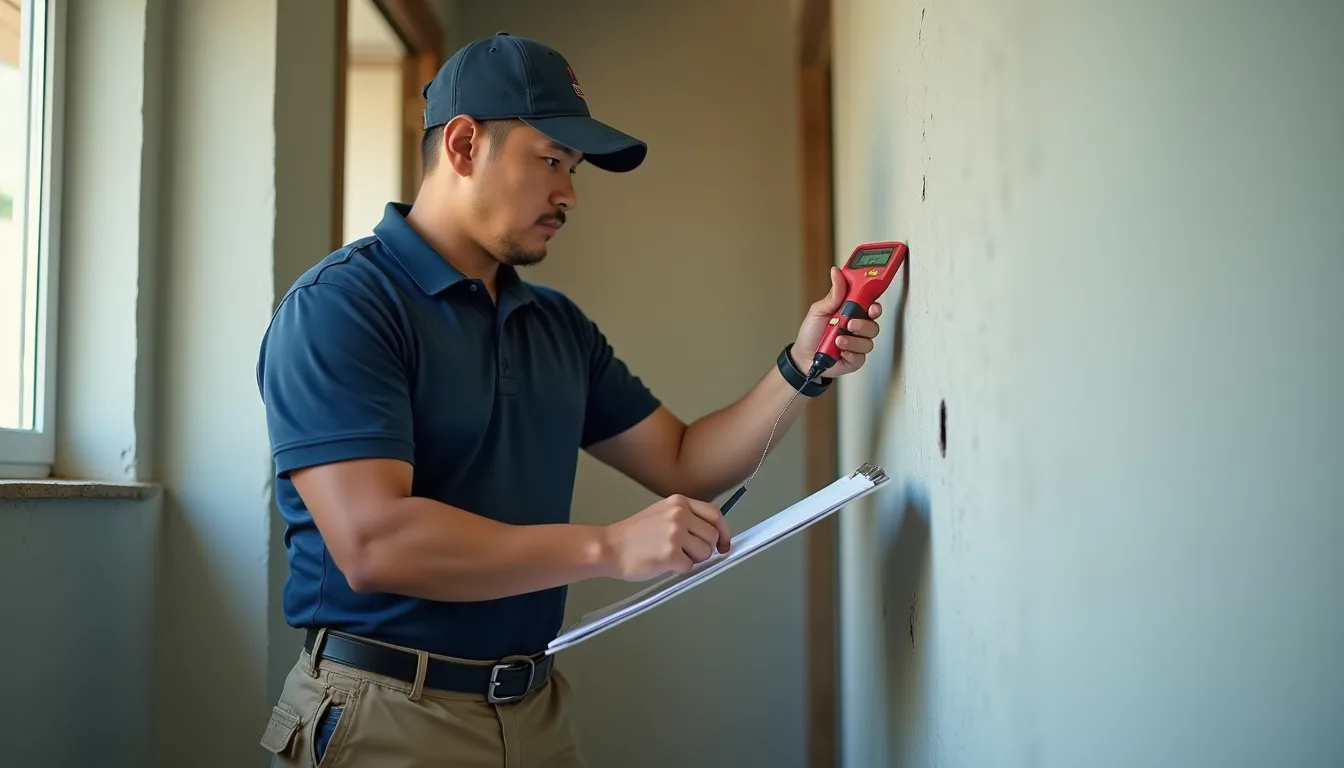
As spring unfolds in Aurora, homeowners face more than just blooming flowers and warmer weather. The season brings along rapid temperature changes and the potential for severe hail storms, creating a perfect storm for water damage. With the freeze-thaw cycles wreaking havoc on structures, homeowners must be vigilant. A minor oversight could lead to significant complications, resulting in costly repairs and stress. Are you prepared to tackle the seasonal challenges that could impact your home? Here’s your essential spring water damage restoration checklist.
Why This Matters for Aurora Homeowners
Aurora's local climate is notorious for its rapid fluctuations, particularly in springtime when warm days can suddenly turn into freezing nights. These changes can cause water to seep into your home through cracks in foundations or walls, exacerbated by the expansive clay soils many homes in Colorado are built upon. This unique geological challenge requires special drainage considerations to prevent moisture accumulation.
Additionally, heavy snowmelt can saturate the ground, increasing the likelihood of water intrusion as the soil cannot absorb all the moisture. Furthermore, hail storms can damage roofing and siding, creating openings for water to enter. It’s crucial to understand these risks, as they can lead to long-term problems such as mold growth, structural damage, and compromised indoor air quality.
Tip: Always keep gutters clean and functional to direct water runoff away from your property, especially during these volatile weather changes.
Expert Solutions & Actionable Tips
1. Inspect Your Roof Thoroughly
After harsh winter conditions, the roof can suffer from hidden damage. Inspect for missing shingles or leaks. A few broken shingles can cost as little as $100 to replace, but ignoring them may lead to extensive repairs. Engage a local roofer to evaluate the integrity of your roof at the start of spring.
2. Check Your Gutters and Drains
Clogged gutters can lead to water pooling near your foundation, causing extensive damage. Make it a habit to clean your gutters at least twice a year, ideally in spring and fall. The cost for a professional cleaning generally ranges from $100 to $250. Ensure downspouts direct water at least six feet away from your home.
3. Evaluate Your Landscape Grading
Proper grading is essential in managing water flow away from your home. If your yard slopes towards your foundation, consider regrading it. Landscape grading can range from $1,000 to over $4,000 depending on the size of the area needing adjustment. This investment protects against moisture intrusion.
4. Seal Windows and Doors
Check for gaps in seals around windows and doors. Applying fresh caulking can prevent water entry and should be done before the spring rains start. A tube of caulk costs about $5 and a roll of weather stripping about $30. This simple maintenance task can save thousands in water damage repair.
5. Inspect Interior Spaces for Water Damage
Check basements and crawl spaces for signs of moisture or flooding. Use a moisture meter to detect hidden dampness in wood and drywall. If you find any water accumulation, remediation is crucial; costs can vary dramatically based on the extent of water damage, starting at around $500 for minor cases.
6. Understand Local Code Requirements
Familiarize yourself with local building codes regarding drainage and waterproofing systems. Installation can cost $200 to $1,500, depending on complexity. Ensuring compliance not only protects your home but also can prevent issues with future property sales.
Aurora Climate & Local Context
Aurora's unique climate poses significant challenges for homeowners who must navigate the risks of rapid temperature swings and intense weather conditions. Homes built on expansive clay soils often require additional drainage solutions to mitigate potential issues from heavy rains and melting snow. This local geology can lead to soil shifts and cracks, necessitating thorough inspections on an annual basis.
Moreover, the local government frequently updates building codes to guide homeowners in their efforts to prevent water damage. It's essential to stay informed about these regulations to ensure compliance and limit potential liabilities. Regularly checking for adherence to local codes can save you from costly repairs in the future.
When to Call a Professional
While some water damage issues may seem manageable, it’s essential to know when professional help is warranted. Small leaks might be a simple fix, but larger issues require expertise that only professionals can offer. Homeowners should recognize specific red flags that signal the need for a call to Ultimate Emergency Water Damage.
- Significant standing water in your basement or crawl space
- Water stains on walls or ceilings
- Unpleasant odors indicating potential mold
- Visible mold growth
- Water intrusion after a storm or heavy rain
- Cracks in the foundation or superstructure
- Persistent humidity levels over 60% indoors
- Signs of wood rot in structural beams
When encountering these indicators, consulting a professional is key to avoiding greater damage and ensuring your home remains safe and sound.
Frequently Asked Questions
What should I do first if I have water damage?
Immediately identify the source of water entry and stop it if possible. Next, contact Ultimate Emergency Water Damage at (719) 220-2548 for an assessment and guidance on restoration.
How long does water damage restoration typically take?
The restoration process can vary widely but typically takes anywhere from a few days to several weeks. The speed depends on the extent of the damage and the size of your home.
Is it better to handle minor water damage myself?
For very minor leaks, DIY options may suffice. However, if you're uncertain or if the damage is expanding, it's wise to call a professional to avoid long-term issues.
How can I prevent water damage in spring?
Regularly inspect gutters, roofs, and basement spaces. Ensure proper drainage around your property and adjust landscaping if necessary to divert water away from your home.
Are there any local permits required for restoration work?
Yes, certain repairs may require permits based on local regulations. Always check with the Aurora city guidelines to ensure compliance while undertaking restoration efforts.
Get Expert Water Damage Restoration Service in Aurora
If you discover water damage in your home this spring, don't hesitate to reach out. Ultimate Emergency Water Damage is ready to assist you in restoring your home to its original condition. Call (719) 220-2548 now and ensure your home is protected this season.
With an understanding of Aurora’s specific challenges and the expertise to address them, our team can help you navigate this prevalent issue efficiently.
Service Areas
More Articles
Common Water Damage Restoration Myths Debunked by Aurora Experts
2026-04-05
Water Damage RestorationWhat to Expect During a Professional Water Damage Restoration Assessment
2026-04-05
Water Damage RestorationHow Much Does Water Damage Restoration Cost in Aurora? Complete 2026 Price Guide
2026-04-05